
Sustainable Project Management: Turning Aspirations into Everyday Practice
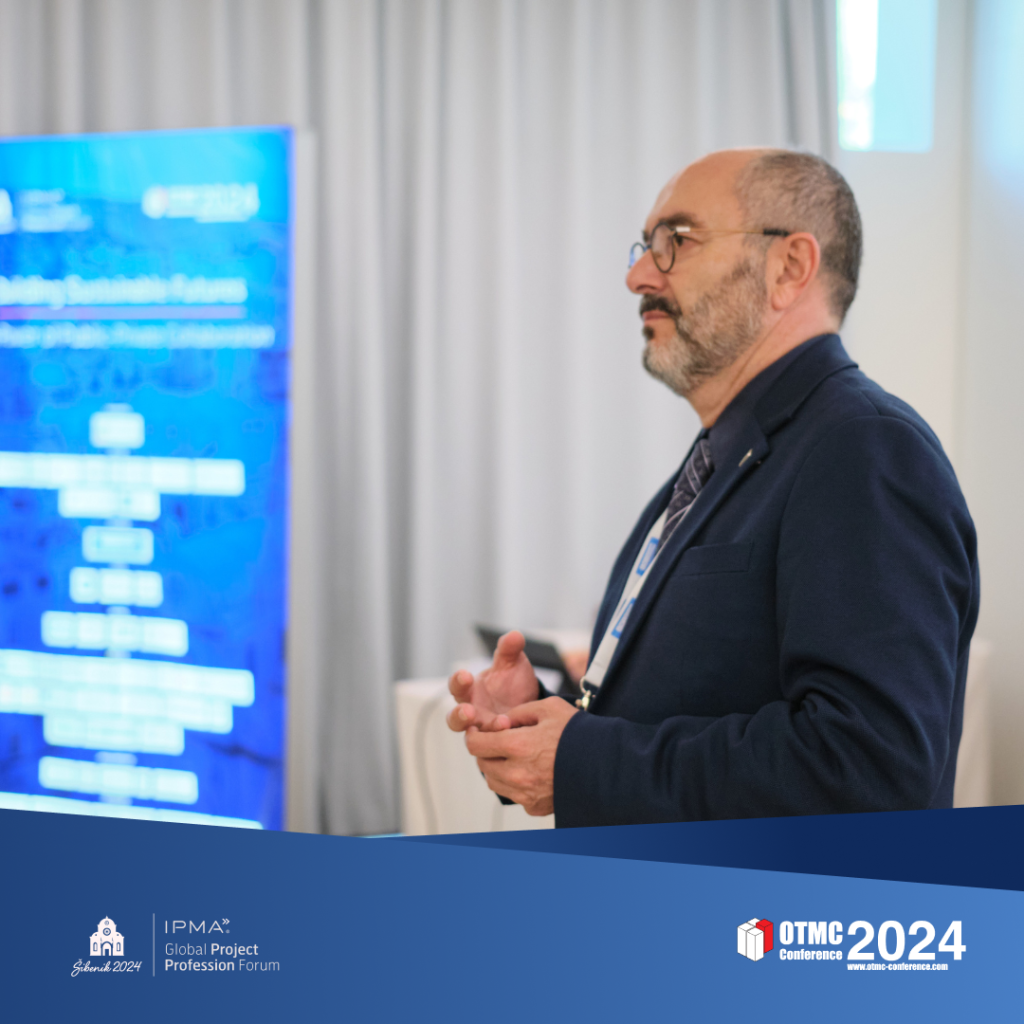
In today’s world, sustainability is no longer just an option but a necessity for businesses across all sectors, including project management. However, implementing sustainable practices within project management frameworks poses significant challenges. This was the focal point of the workshop, “Sustainable Project Management – Turning Aspirations into Everyday Practice,” led by Dr. Reinhard Wagner and Dr. Jesus Martinez-Almela. The workshop outlined practical steps to integrate sustainability into daily operations, drawing from IPMA standards and guidelines, such as the IPMA Reference Guide on Sustainable Project Management and IPMA Delta.
Key Challenges in Achieving Sustainable Project Management
Many organizations struggle to implement sustainable practices due to various challenges. For one, sustainability often lacks a clear place in the organizational chart, leaving decision-makers uncertain whether it belongs in HR, finance, or another department. Moreover, conflicting regulations and political pressures complicate the adoption of sustainability, especially when these practices are perceived as costly and without a clear business case. The absence of green financing, particularly in developing countries, and the need for top management support further hinder progress.

Overcoming the Challenges
Despite these challenges, there are clear steps that can be taken to move towards sustainability in project management. First and foremost, organizations must embrace standards like the IPMA Reference Guide on Sustainable Project Management, which provides guidance on how to implement sustainability principles effectively. Furthermore, involving stakeholders early on in the process and promoting public-private collaborations, as seen in examples like India’s eMobility ecosystem, can accelerate the adoption of sustainable practices.
Additionally, a long-term vision that aligns with the UN’s Sustainable Development Goals (SDGs) should be embedded into every project’s business case. Organizations should also support start-ups and accelerators focused on sustainability, as they are often key drivers of innovation in this space.
The Role of Education and Advocacy
Education plays a critical role in embedding sustainability into project management. Starting from early education levels, sustainability concepts should be introduced, and organizations should advocate for integrating sustainability into project management standards. Project Management Offices (PMOs) can serve as champions by educating team members, influencing financial decisions, and embedding sustainability in project portfolios.

Next Steps: Just Do It!
The next step for organizations is simple: begin implementing sustainable practices little by little. Download the IPMA Standard, apply its guidelines, and push for sustainability within your project frameworks. It’s important to share these efforts with stakeholders, showcasing the potential for cost-saving and long-term benefits. By taking small but steady steps, organizations can turn sustainability from an aspiration into an everyday reality.
By embracing sustainable project management, businesses not only contribute to a healthier planet but also ensure long-term growth and resilience in an ever-evolving global market.
Read more about IPMA Standards and download for free: https://myipma.ipma.world/


Topics of interest
Most Read
-
 15 June 2018 | 7:26
5Ws 1H: A technique to improve Project Management Efficiencies
-
 29 January 2018 | 8:13
5S (or 6S) Lean Management technique: Possible uses in project management
-
 02 February 2018 | 2:32